Stop managing today’s problems. Start controlling tomorrow’s results.
We help manufacturing teams stabilise their operations, so that flow and results become reliable.
When your production plans change daily, all that happens is that your teams spend too much time reacting and not enough time executing. Priorities shift, urgent jobs interfere with planned work, and managers are pulled with day-to-day problems instead of preparing what comes next.
When equipment breaks down or stops functioning correctly, delivery becomes hampered and difficult to protect. Output varies, stocks increase, people compensate and the business relies on people’s experience, goodwill and last-minute efforts.
When this happens, you and your team end up working hard but not actually progressing, but that is not down to effort. It is down to the operating system around the work.
Primus Passus Consulting helps you make the real problems visible, regain control of daily operations and build the stability needed to prepare the future.
Our Approach
From stability to reliable results
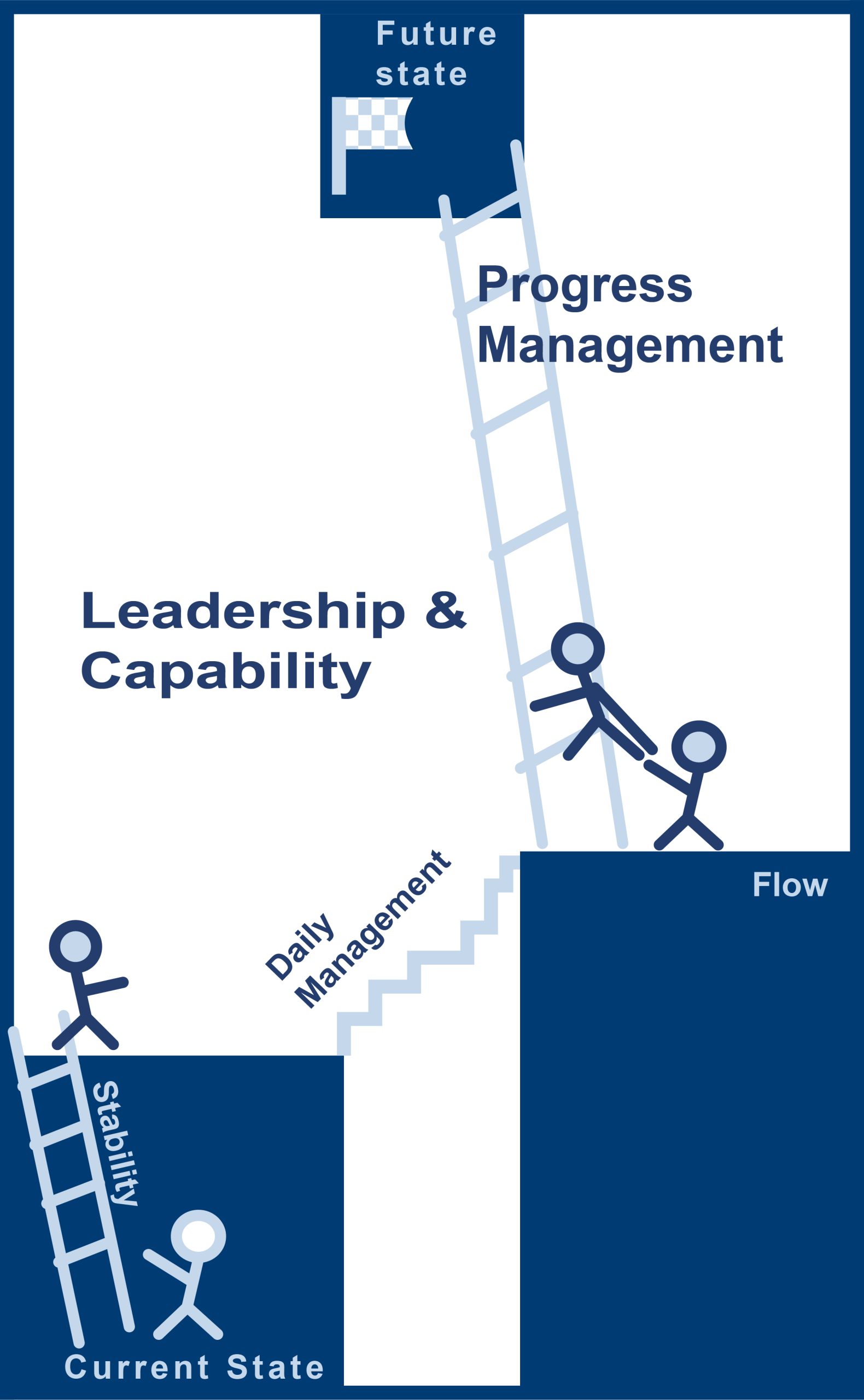
The Operational Review establishes where the operation is today and where control is being lost. We then build the stability, daily management, flow, leadership and capability needed to move towards an agreed future state.
Make it Flow
Remove constraints, waiting and interruption so that work moves more reliably through the system
Create visibility and control through Daily Management
Make performance and problems visible, respond to deviation and protect today’s operation.
Stabilise operations
Create the predictable conditions in which the plan has a reasonable chance of holding.
Operational Review
Identify where to begin.
Our services
Services we offer
Move from daily firefighting to more stable, visible and predictable operations.

About Primus Passus Consulting
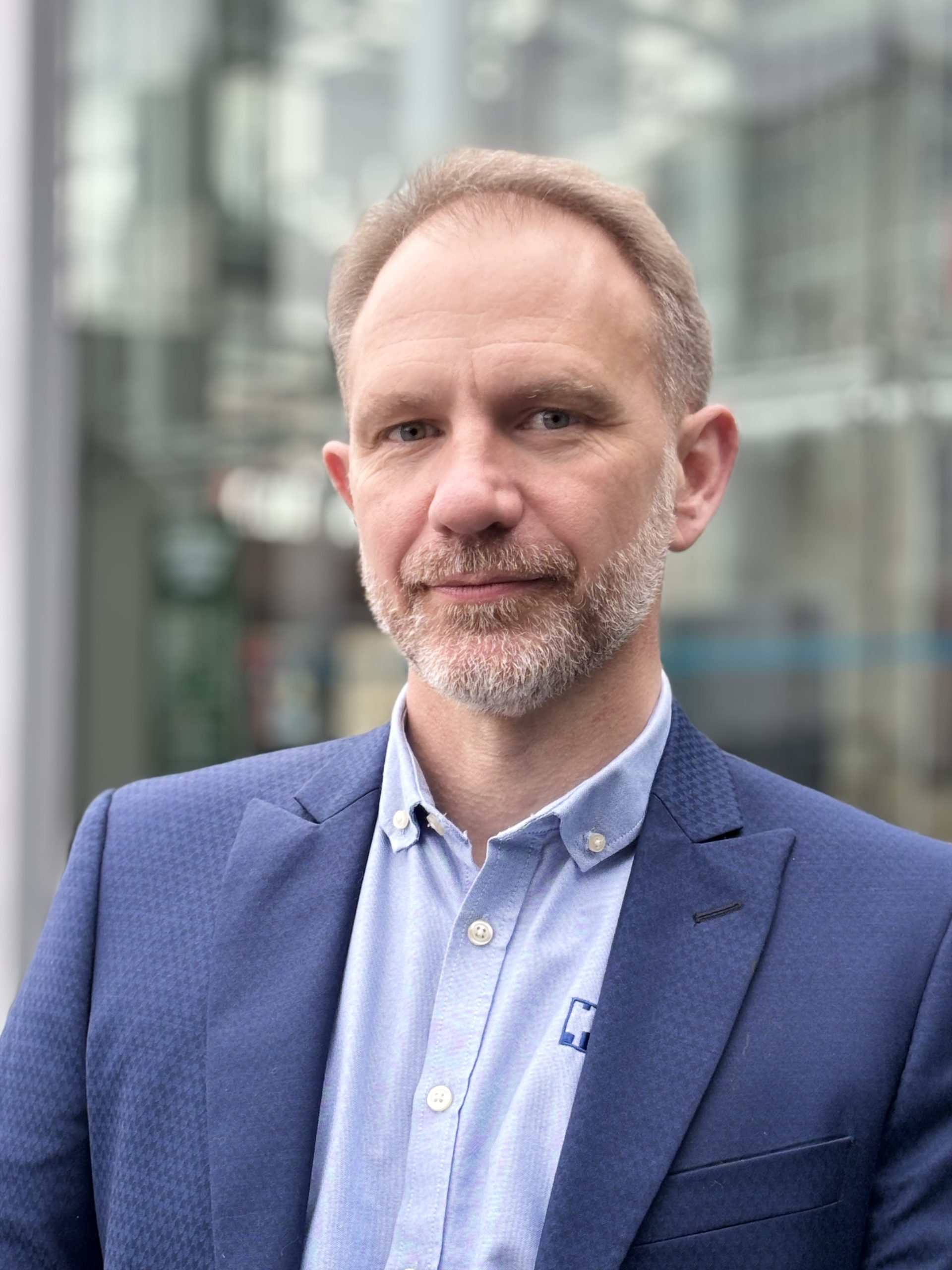
Luc Barbier founded Primus Passus Consulting to help manufacturing organisations produce what is needed with less waste, less frustration and more control. Manufacturing matters. Society needs products, goods, food, materials and services. The objective is not to produce less but to produce it better, right first time, with fewer defects, fewer interruptions and fewer resources wasted along the way.
Every time a product is made twice, reworked, scrapped, delayed or interrupted, something is lost.
Before Primus Passus
Luc had to deal with “More stock is supposed to protect production”. In reality it was preventing the factory from recovering.
In a final assembly plant (Stamping shop – Body-in-White- Paint Shop- Assembly) we had 18 months to redesign and organise the factory transformation as the existing plan would not achieve the required state.
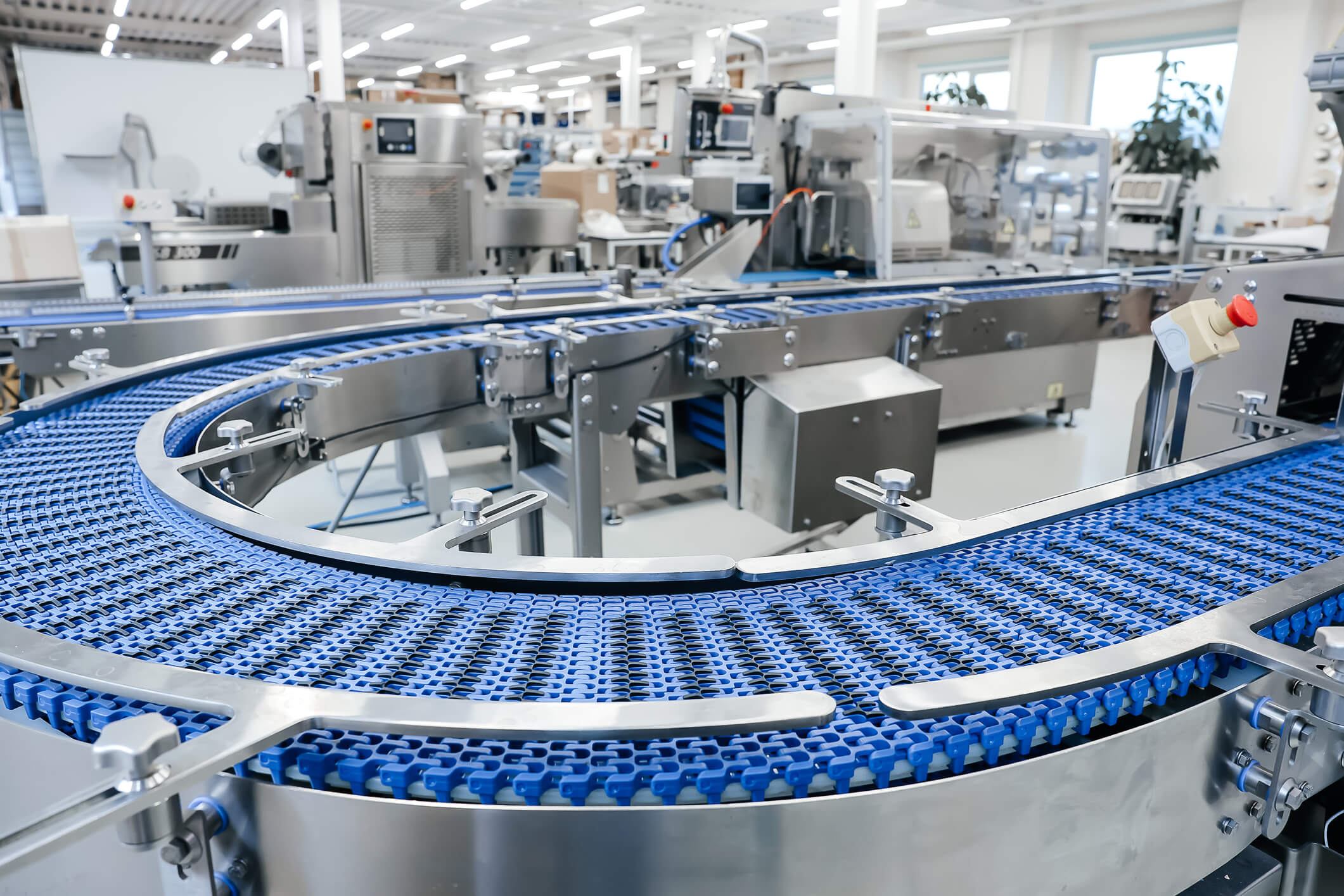
The accepted belief was that more vehicle bodies suspended on conveyors meant greater safety. In reality, full conveyors made it impossible to restore the correct production sequence. Bringing a type of vehicle forward could save the day in case of component shortage on another type of vehicle. But using components intended for later production meant they were not ready, not unpacked from containers generating chaos in the reception area. Consequently, generating further shortages for the following days.
The excess stock also causes damage, restricted maintenance access, accelerated conveyor wear and consumed body carriers needed to keep the workshops moving. More importantly, it prevented longer, synchronised supply circuits from being organised with suppliers, forcing additional stocks and handling throughout the system.
Before changing anything, Luc and a technician remapped the complete conveyor network. Approximately 40% of the information held in the simulation tools was incorrect. And despite daily decisions being made by various people about the flow, very few people understood it.
Working closely with the people who operated the system, regulation and production sequence were improved enabling to progressively shorten loops and removed unnecessary conveyor sections. Each change carried the same warning:
“Luc, be aware: if it goes wrong, it’s on you”.
As the conveyors and accumulated stock reduced, something else became visible, the logistic team began to look better, not only operationally but physically and emotionally.
The wider transformation achieved :
Factory Footprint
Production Sequencing Reliability
Conveyor Infrastructure
Product Added Value
News & Insights