Find the right starting point
Before taking action, we help you understand where instability is really coming from.
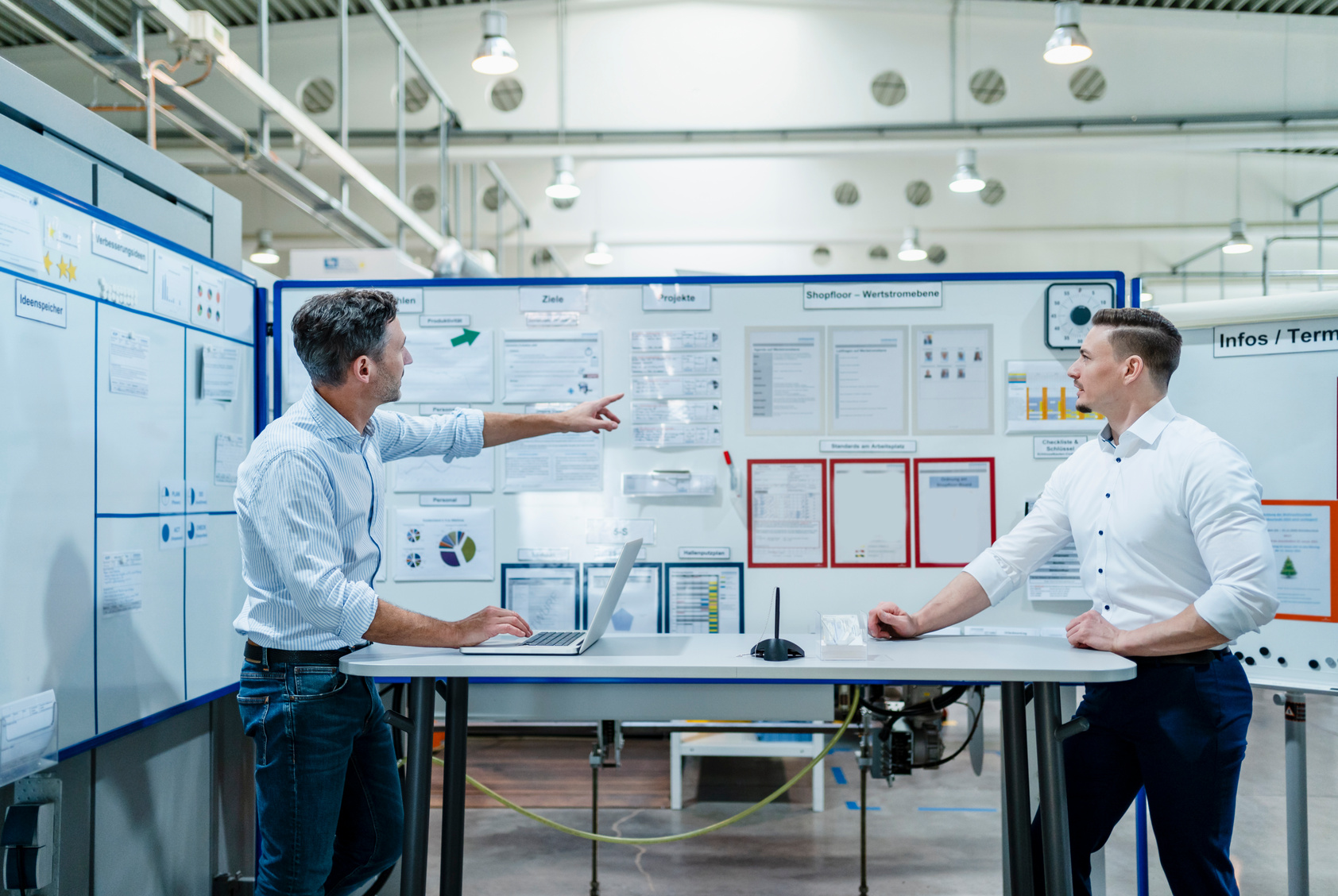
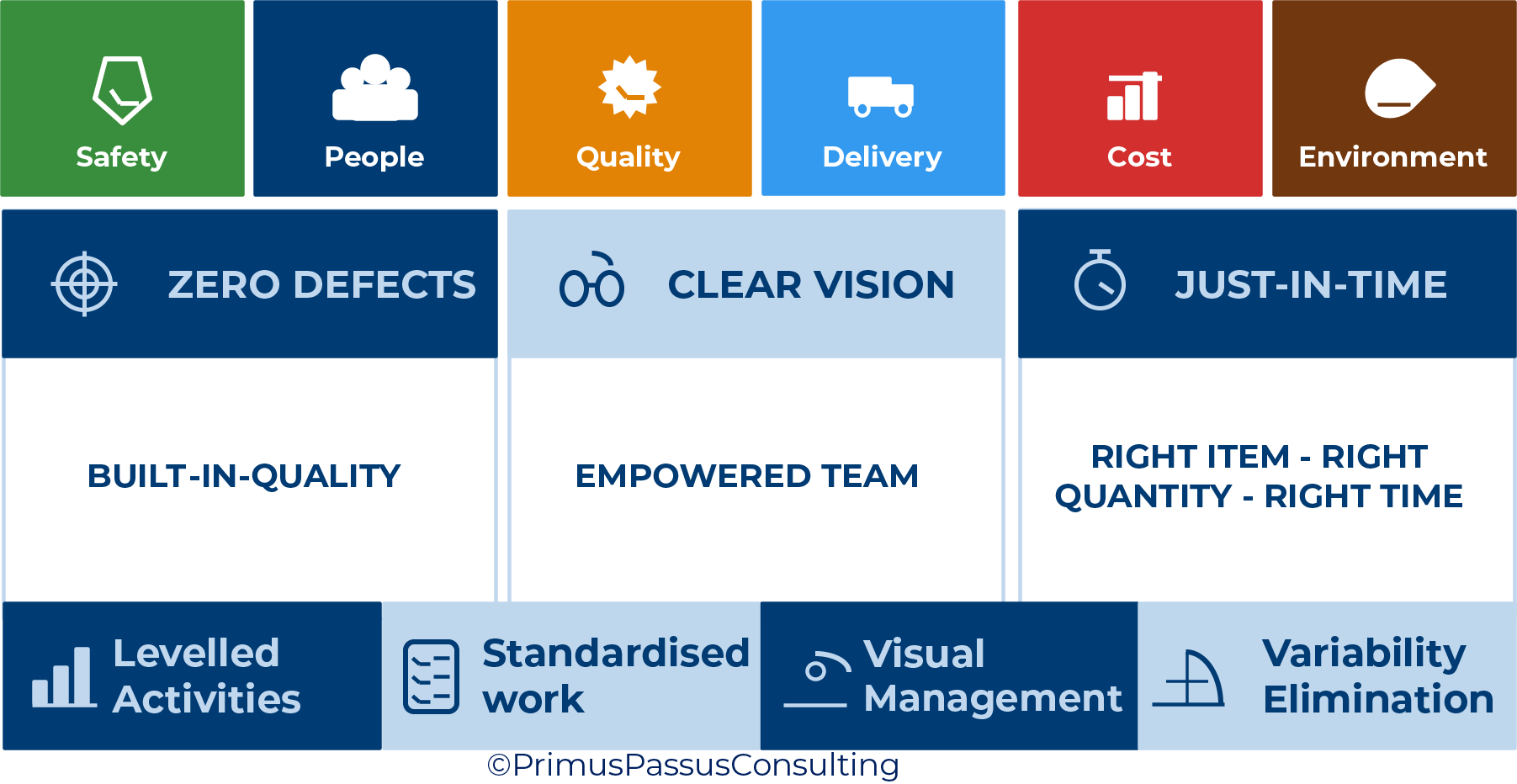
The scope is tailored to the reason you contacted us for, not driven by a fixed observation checklist. Using an SPQDCE lens, Safety, People, Quality, Delivery, Cost and Environment, the operational review looks at how the work currently moves through the business, where disruptions occur, what causes plans to change, where capacity is being lost and which issues are creating the greatest pressure on the team.
This gives you a clear view of the current situation before spending time, money or effort on actions that may not address the real causes.
The result is a shared practical roadmap, often captured in a one-page A3 that brings the current situation, priorities, actions and follow-up together.
Where our support continues, the A3 forms the basis of our working relationship, allowing us to co-pilot delivery of the action plan, strengthen decision making and identify any targeted training needed to deliver and sustain the improvements.
Not sure where to start?
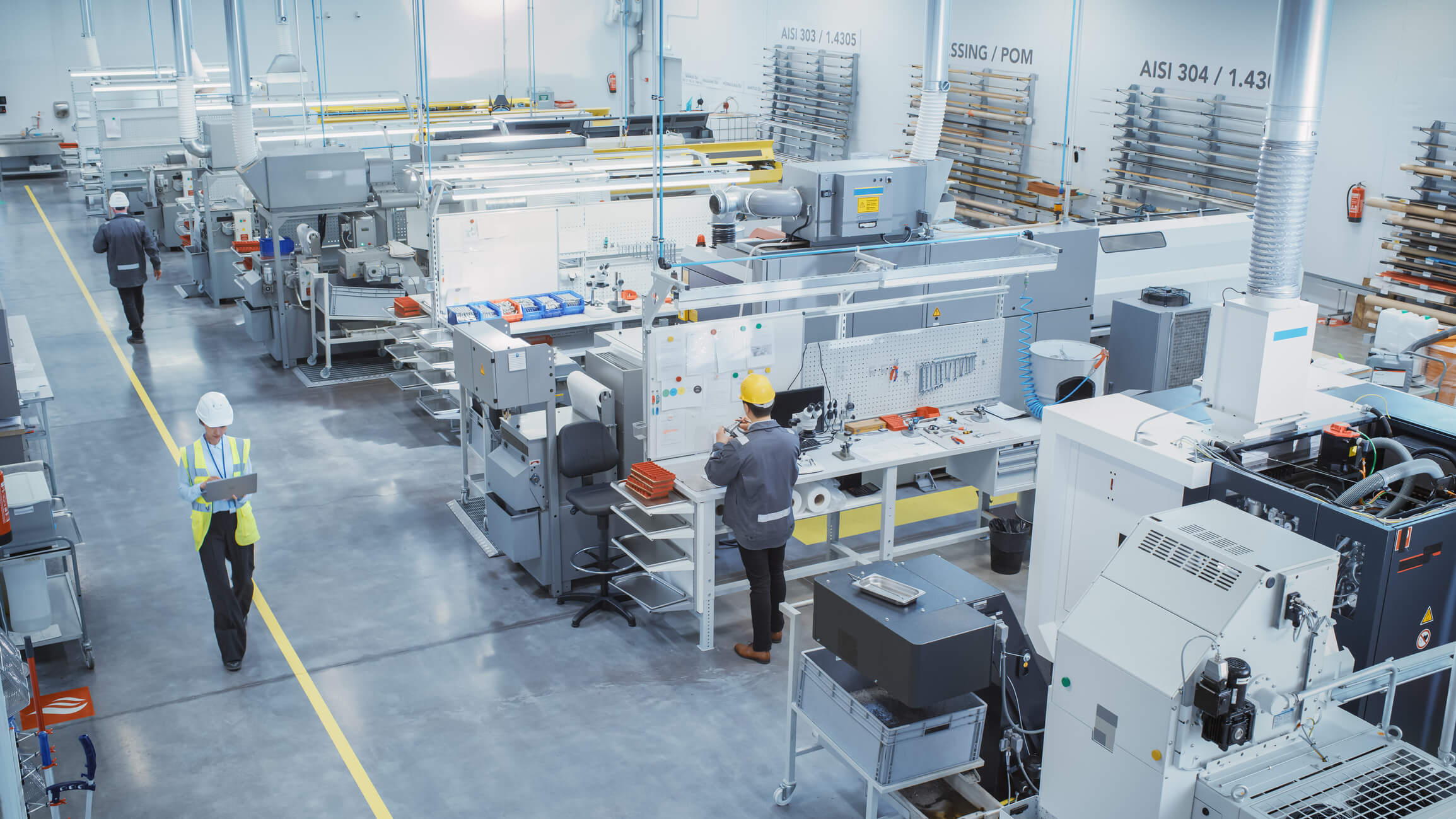
What do you see when you look at your manufacturing process?
If you see constant firefighting, unstable delivery of products, shifting priorities or a sense that operation is harder to control than it should be, the first step is not to launch another action plan.
The first step is clarity, before deciding what to fix, you need to understand what is really happening.
Once you have identified that there is an issue to resolve, an operational review helps you identify the starting point. It looks at how the work flows through the business. identify the restraints and prioritise key actions. If not, resources and time will be spent on the wrong topic, at the wrong place.
At Primus Passus Consulting we help organisations move from firefighting to stable, controlled predictable operations.
Working with us
When it comes to manufacturing and production you don’t fix everything at once.
Trying to do too much too quickly often creates pressure for the people already holding the operation together. Real improvement comes from choosing the right starting point, making the work visible and building progress step by step.
Clients often find that it is the small, consistent changes, made over a period of time, that make the real difference, creating genuine improvement in flow, production, morale and results.
The advantage of small, consistent changes is that they’re less intrusive for the team and are learning opportunities, freeing up time to improve other areas of the business.