
About

About

Operational improvement is about creating systems where people can work together more effectively without firefighting, overtime or frustration. 

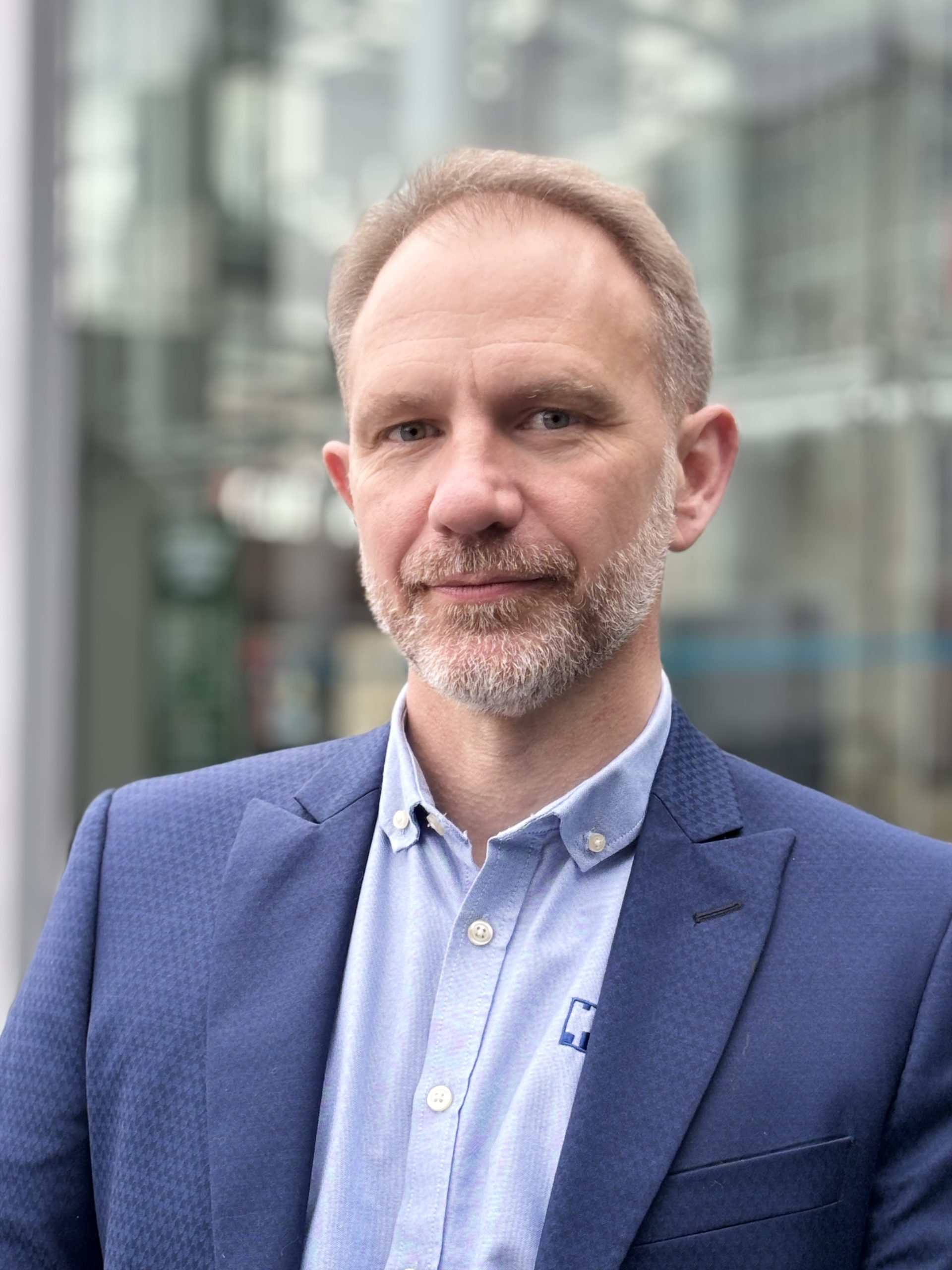
Headshot of a smiling man with short hair and a beard, wearing a navy blazer and light blue shirt.

About Primus Passus Consulting

In 2019 Luc Barbier founded Primus Passus Consulting to help manufacturing organisations produce what is needed with less waste, less frustration and more control.

Manufacturing matters. Society needs products, goods, food, materials and services. The objective is not to produce less but to produce it better, right first time, with fewer defects, fewer interruptions and fewer resources wasted along the way.

Every time a product is made twice, reworked, scrapped, delayed or interrupted, something is lost.

  • People’s time and motivation are eroded, addressing again and again problems that should not have happened in the first place.

  • Raw materials are consumed.

  • Energy is used.

Getting it right in the first place doesn’t just save time and money

It plays a vital part in the preservation of the planet.

This is one of the reasons Primus Passus Consulting exists.

Operational improvement is not about productivity. It is about creating systems where people can work together more effectively without firefighting, overtime or frustration.
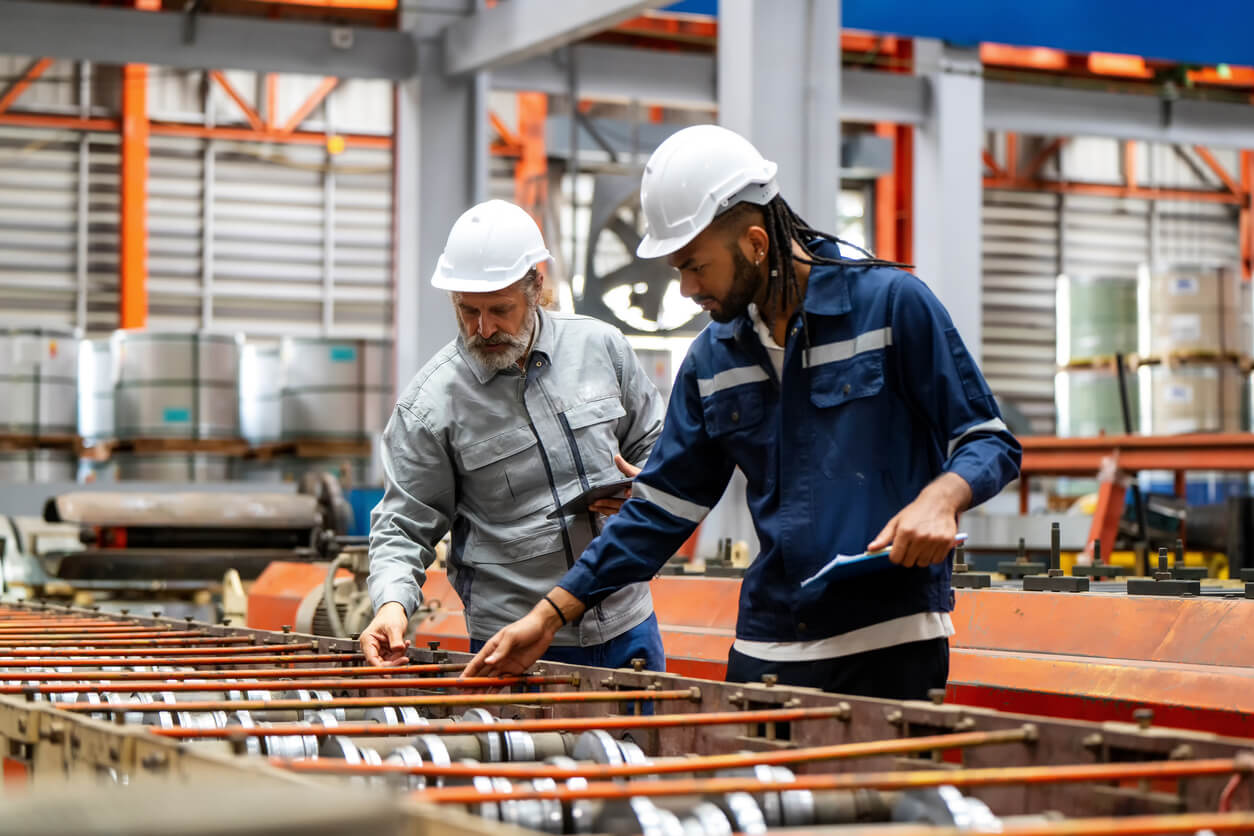
Two engineers in hard hats inspecting metal components on a production line.

This matters more than ever

as energy costs rise, labour markets change and businesses find it harder to keep or replace the skills they depend on

Luc believes people should be able to leave work on Friday satisfied with what they have achieved and learnt then return on Monday motivated to continue. Not worried, exhausted nor stressed. That is difficult when teams spend their week compensating for unstable processes, unreliable equipment, unclear priorities and problems that keep coming back.

Luc’s experience has been built in real operational environments, and highly competitive industries, working with production, maintenance, engineering, quality, supply chain and leadership teams. His work has covered equipment reliability, daily management, performance management and progress management, operational control, production flow, problem solving, maintenance systems and team capability.

Primus Passus Consulting works with a trusted network of specialists when a client challenge requires additional expertise. This keeps the work practical and focused, while giving clients access to the right combination of operational, leadership, systems and technical capability.

At Primus Passus Consulting, the work starts by understanding what is really happening in the operation, then helping teams make problems visible, strengthen daily routines and reduce interruptions.

Flow is not about working faster. It is about removing waiting, rework, delays and confusion so the business performs better with less unnecessary effort.

The aim is to build capability, not dependency, so teams can manage performance, solve problems and sustain improvement themselves.

Primus Passus Consulting helps manufacturing businesses move from firefighting to stable, controlled and sustainable improvement.

Frequently asked questions

If you still have a question, please get in touch and we’ll be happy to discuss your requirements.

The automotive industry is not a single type of production. It includes foundries, forges, stamping and machining shops, plastic processing, surface treatment, paint shops, complex assembly lines, internal logistics and a dense network of suppliers for procurement and equipment-intensive operations.

Since leaving the automotive industry, our experience has extended across battery manufacturing, rail operation and refurbishment, rail infrastructure maintenance, aerospace and defence, marine and power systems, oil / gas / heat drilling equipment, food production, stationary, flavours and fragrances, bottling and packaging, chemistry.

The products, services, regulations and technical constraint differ but the underlying challenges are similar:

  • Unreliable equipment
  • Changing priorities
  • Unclear responsibilities
  • Organisational silos
  • Recurring problems
  • Reduced capacity
  • Work that does not flow

We do not copy automotive solutions. Starting from your daily issues, we use proven operational principles and adapt them to your people, processes and business environment.

Initially it can. Luc has experienced this situation in five different factories and understands the difficulty of having someone new in the operation. Time is needed to explain the process, share information, involve people and understand what is happening.

Resolving a problem, even partially and then preventing it from recurring may also require more effort. However, once that recurring problem is removed or its consequences minimised, the time previously spent reacting to it becomes available again. The freed time can be reinvested in the next priority.

For this reason, we focus on a manageable number of problems, using existing information and routines where possible, and work at a pace the team can absorb. We aim at reducing progressively the burden on the operation, not be a new burden to manage.

No. Operational improvement is about creating a more reliable system around the people, not for them to compensate more.

Reducing failures, waiting, rework and recurring interruptions releases capacity. This can help the business produce the same more less resources, redeploy people towards value-adding design work and potentially avoid unnecessary equipment, recruitment or a move to a larger factory.

The aim is to enable the team to improve results themselves with less firefighting, overtime and frustration, and not to disguise headcount reduction as improvement.

An internal CI team brings valuable knowledge of the organisation, its people and its history. Our role is to strengthen that capability, not to replace it or create a competing programme.

Having worked in a highly competitive, large scale industrial environment and contributed to three successive versions of its Excellence System as well as having been part of two successful factory transformations, Luc can help fast-forward the team’s practical capability. This experience helps avoid familiar pitfalls, challenge established assumptions and turn improvement principles into effective operational routines.

We work alongside the internal team to clarify priorities, accelerate learning and strengthen its ability to deliver sustainable results without us.

Go to Top