
Training provides knowledge, people develop capability when they use that knowledge themselves. Manufacturing leaders must prepare people properly, provide opportunities to practise and remain available without continually taking back control.
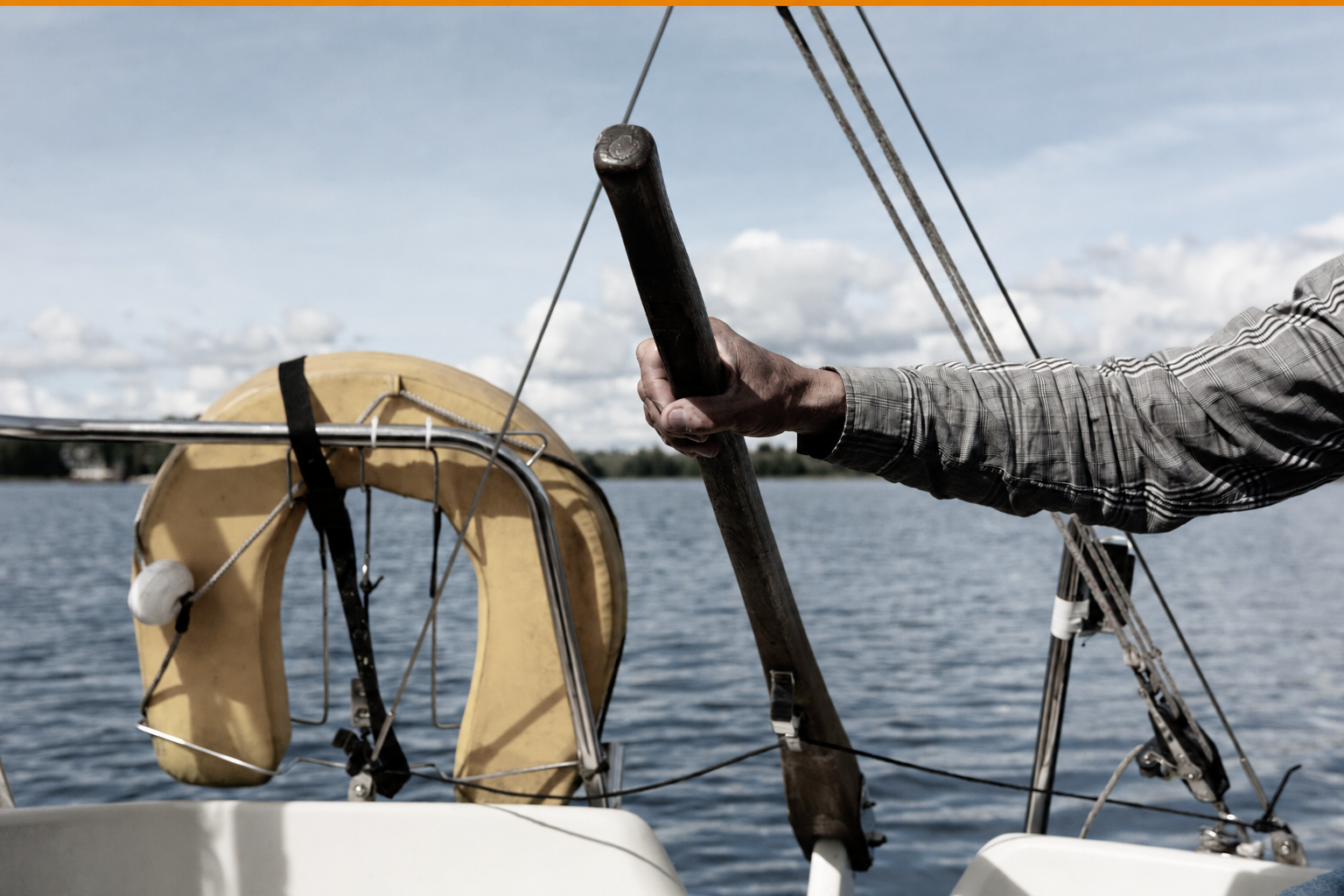
A young sailor struggling with a tangled mainsheet helped illustrate the difference between showing someone what to do and allowing them to learn.
Learning requires control of the tiller
We have a new sailor on our team.
Before joining us, he had never sailed. He progressed quickly, and we soon became confident that he could sail on his own while we remained nearby on the safety boat.
On this particular day, the gusts were more noticeable.
He sailed away, tacked and returned.
– “It doesn’t work. The mainsheet keeps wrapping around the tiller”
We helped him free the sheet, and he set off again. He attempted another tack, and the same thing happened.
This time, we were blunt.
– “It’s not the boat. Look around you. Nobody else is having the same problem. Go back out, slow down the manoeuvre and find out what you are doing.”
He sailed away. The sheet wrapped around the tiller again.
He returned and blamed the boat again.
We sent him back out.
Eventually, he came alongside and said:
– “I understand now. I was holding the tiller the wrong way.”
That was the moment he learnt.
Instruction and experience serve different purposes
The sailor had just received instruction. He had watched other people sail, practised with support and demonstrated that he could sail safely on his own.
But observation could not reproduce the experience of feeling the tiller in his own hand, managing the boat through a gust and discovering how this movement caused the sheet to become trapped.
We could have explained the answer immediately. We could have corrected the next tack, but it would not necessarily have developed his ability to diagnose the issue.
When he finally said “I understand now”, he had connected his actions with the behaviour of the boat. He could use that understanding when conditions changed again.
Preparation must come before independence
Giving people room to learn does not mean placing them in an unfamiliar job without support.
Before the sailor went out alone, he had received instruction and supervised practice. WE had assessed the conditions and were confident that he could operate safely. We remained close enough to intervene if the situation changed.
Manufacturing employees need the same preparation.
People cannot be placed in a job without explanation,
The Training Within Industry Job Instruction method describes four important stages:
- Prepare the person
- Present the operation
- Let the person try it
- Follow up
The learner must eventually perform the task. Until that happens, the instructor does not know whether the explanation has become practical capability.
A work standard can describe the sequence. A manager can demonstrate the routine. The person still needs to apply it, encounter normal variation and make decisions within clear boundaries.
Additional training may not address the real constraint
During an online “Factory Director” training session, the Director of a recycling factory asked whether I could provide additional training for his production manager.
The business was constructing a new facility to generate gas. The project required more of the director’s time, and he needed the production manager to assume greater responsibility for the existing operation.
I spontaneously asked whether the production manager was new.
– “No. He has been doing the job for five years.”
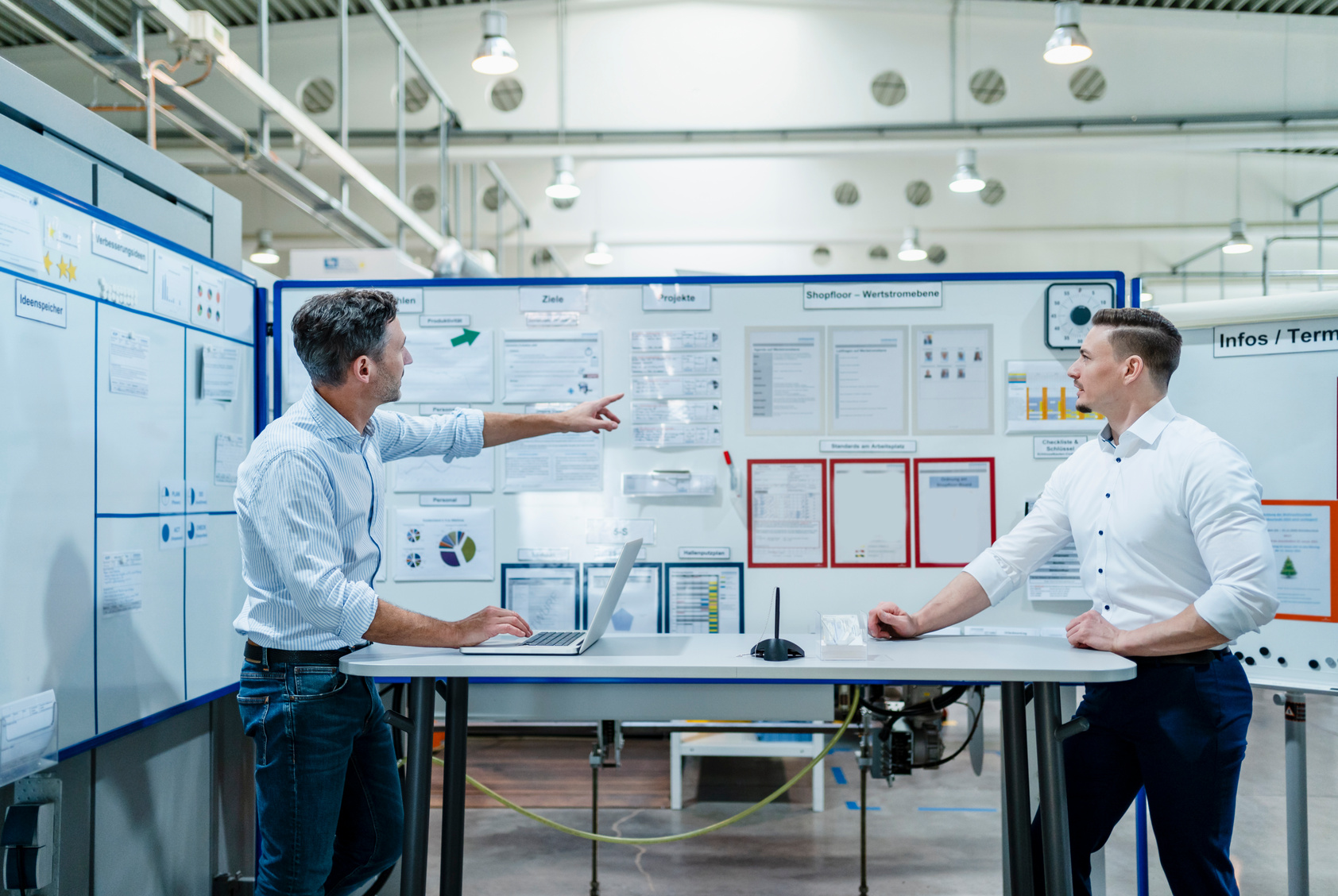
The factory already had daily management in place. After going round the question twice, I realised that the director and the production manager were still running the daily meeting together.
The production manager had five years of experience. He had observed and participated in daily management for years. The director was still sharing control.
The apparent need was for more training. The underlying need was for enough space to lead.
Managers sometimes prevent independence unintentionally
Experienced managers often step in for understandable reasons.
They recognise the problems, know which questions to ask and can move the meeting forward quickly. Taking control protects the immediate result and feels efficient.
If the director continues answering questions and making decisions, the production manager cannot demonstrate that he can lead independently. The director sees insufficient evidence of readiness, so he remains involved.
The arrangement then reinforces itself.
The production manager remains dependent on the director while the director remains essential to the daily operation. This becomes particularly limiting when the director must focus his attention on a major project, customer issue or plan for the future.
The organisation may respond by arranging more training without examining whether the person has been given a genuine opportunity to use their existing capability.
Transfer responsibility deliberately
Once I understood the situation, I explained what was likely happening. Both the director and production manager were present during a training break, so we could discuss it openly.
As part of the training activity, they developed a plan.
The production manager would take greater ownership of the daily management routine. The director would create room for him to lead while remaining available when support was genuinely required.
No further training was required afterwards.
The issue had not been insufficient knowledge. It was the way responsibility was being shared.
A deliberate transfer should establish
- the responsibility the person will assume
- the decision they can make independently
- the conditions that require escalations
- the support the manager will continue to provide
- how both will review progress without the manager reclaiming control
This creates a safer transition than either extreme : abandoning an unprepared person or continuing to perform the work for someone who is ready to lead.
Support without taking control back
From the safety boat, we continued watching the sailor. We knew that he could sail safely, even though his tack was not working. Had the conditions or his behaviour created a genuine risk, we would have intervened.
Manufacturing leaders must make the same judgement. Practice cannot be allowed to compromise safety, people, quality or the customer. Clear standards, decision boundaries and escalation rules must remain in place.
Within those boundaries, people need space to think, try, recognise a mistake and adjust.
The sailor returned several times. We stayed close but did not take back the tiller. He found the answer because responsibility for diagnosing and correcting the problem remained with him.
Primus Passus Consulting helps manufacturing organisations build this capacity through real operational challenges. The objective is not to make people dependent on training, consultants or a few experienced leaders. It is to create the clarity, capability and confidence that allow managers and teams to run, adapt and improve their own operation.

Table of content
- Learning requires control of the tiller
- Instruction and experience serve different purposes
- Preparation must come before independence
- Additional training may not address the real constraint
- Managers sometimes prevent independence unintentionally
- Transfer responsibility deliberately
- Support without taking control back